Runic Gods brings a full divine progression system to Minecraft, built around worship, favor, blessings, rivalries, apostasy, and powerful deity boss encounters.
Choose a patron from a pantheon of eight gods, build your relationship through prayer and offerings, climb through increasingly powerful blessing tiers, and eventually face the gods themselves in unique boss encounters. Every deity has its own domain, personality, rivals, combat mechanics, rewards, and divine weapon.
Runic Gods is designed to work as both a player-facing progression mod and a flexible framework for modpack authors. Most of the pantheon is data-driven, allowing gods, encounters, loot, spells, and progression values to be customized through datapacks.
Runic Gods features eight deities, each representing a different divine domain:
| God | Domain |
|---|---|
| Aurex | Creation |
| Chronyx | Time |
| Khelr | War |
| Meridian | Order |
| Mortyss | Death |
| Nyxara | Arcana |
| Umbriel | Chaos |
| Viren | Life |
The gods are not isolated progression paths. They have relationships and rivalries with one another, and serving one deity can influence how opposing gods respond to you.
Players can bind themselves to a patron deity and earn Favor by participating in that god's worship mechanics.
Progression is divided into four blessing tiers:
As your favor grows, increasingly powerful divine blessings become available. Favor is not completely passive, however. Neglecting your patron can cause favor to decay, while interactions with rival gods can place additional pressure on your relationship.
Prayer, offerings, favor decay, rival pressure, progression thresholds, and other parts of the system are configurable.
Changing allegiances is possible, but abandoning a god is not necessarily without consequences.
The Apostasy system allows former patrons to respond through:
Server owners can configure or disable these mechanics if they want a more forgiving divine progression system.
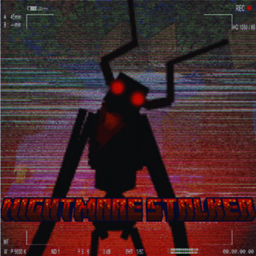
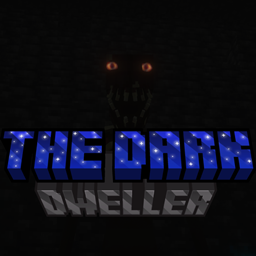
Each deity can manifest as a fully animated boss encounter with mechanics based on its domain.
These are not simple high-health mobs. Runic Gods uses an encounter controller with telegraphed attacks, recovery windows, phase transitions, arena positioning, defensive behavior, unique abilities, and an enraged final phase.
Examples include:
Boss health and damage can scale for multiplayer encounters, and global difficulty can be adjusted through configuration.
Boss state is persistent, including health percentage and encounter phase, so unloading chunks or restarting a server does not simply reset an active fight.
Runic Gods includes dedicated integration with BrassAmber Battletowers.
When enabled, divine bosses can replace the normal golem encounters found at Battletower tops. The deity assigned to a tower is influenced by factors such as:
This allows gods to feel naturally connected to different parts of the world instead of appearing through completely arbitrary boss spawns.
Bosses also remain tied to their encounter area through arena leash behavior.
Every deity has a craftable Divine Relic that can help locate the Battletower associated with that god.
The eight relics are:
Locator crafting and usage cooldowns can be configured by the server.
Defeating a god can reward a unique signature weapon themed around that deity:
| God | Divine Weapon |
|---|---|
| Aurex | Worldshaper Hammer |
| Chronyx | Chrono Rapier |
| Khelr | Warblade of Khelr |
| Meridian | Gavel of Order |
| Mortyss | Soul Scythe |
| Nyxara | Staff of the Veil |
| Umbriel | Entropy Blade |
| Viren | Lifewood Bow |
Divine weapons have their own right-click abilities and passive effects, with weapon cooldowns tracked individually.
First victories are especially rewarding, while repeat boss kills use configurable drop chances and a pity system so unlucky players are not locked out of signature weapons forever.
Deity Sigils can also be used at the appropriate tower to summon a rematch when enabled.
Runic Gods automatically detects supported mods and enables integrations when they are present.
God bosses can use spells from Iron's Spells 'n Spellbooks, including configurable spell pools, spell levels, ranges, telegraphs, tracking behavior, interruption rules, and recovery periods.
Iron's Spells is not required. Bosses have their own fallback abilities so encounters remain functional without it.
Bosses can make use of compatible weapons when Simply Swords is installed, with fallback equipment available when it is absent.
Runic Gods also includes optional compatibility hooks for mods including:
playerAnimator is optional and is used for player body animations during rituals when available.
Runic Gods was designed with modpack authors in mind.
The built-in gods are defined through JSON rather than being locked entirely into Java code. Datapacks can modify existing gods or introduce new ones with their own:
God data is reloaded alongside datapacks, making the system much easier to adapt for custom modpacks and servers.
Loot tables also support conditional rewards based on whether another mod is installed.
Runic Gods provides extensive server-side configuration for areas such as:
Client-side particle settings are also available, including Full, Reduced, and Minimal particle modes for players who prefer better performance or fewer visual effects.
Runic Gods is designed for both singleplayer and dedicated multiplayer servers.
Boss encounters support multiplayer scaling, while divine progression and boss progress are stored server-side. Administrative commands are available for testing, managing favor, resetting divine progression, spawning bosses, checking boss states, validating datapacks, and troubleshooting encounters.
Minecraft: 1.20.1 Mod Loader: Forge 47.2.0 or newer 47.x builds Java: 17
Optional integrations are detected automatically. They are not required for the core worship and divine progression systems to function.
Runic Gods can be used as a straightforward mythology and boss progression mod, or as the foundation for a much larger RPG-style divine system.
For players, it provides long-term progression, powerful rewards, dangerous bosses, and meaningful choices about which deity to serve.
For pack authors, it provides a configurable and datapack-driven framework that can be reshaped around the progression, magic systems, world generation, and difficulty of a larger modpack.