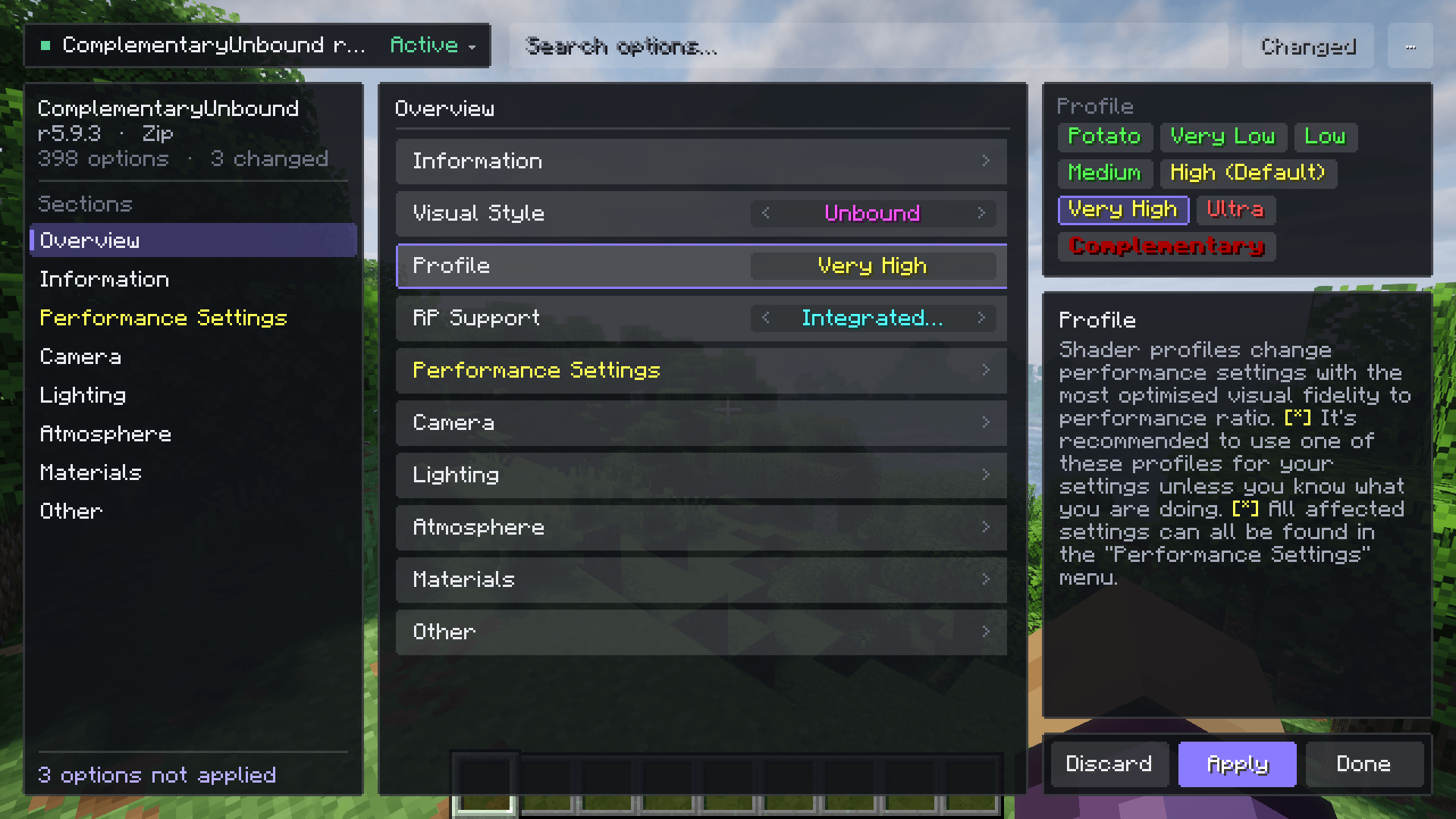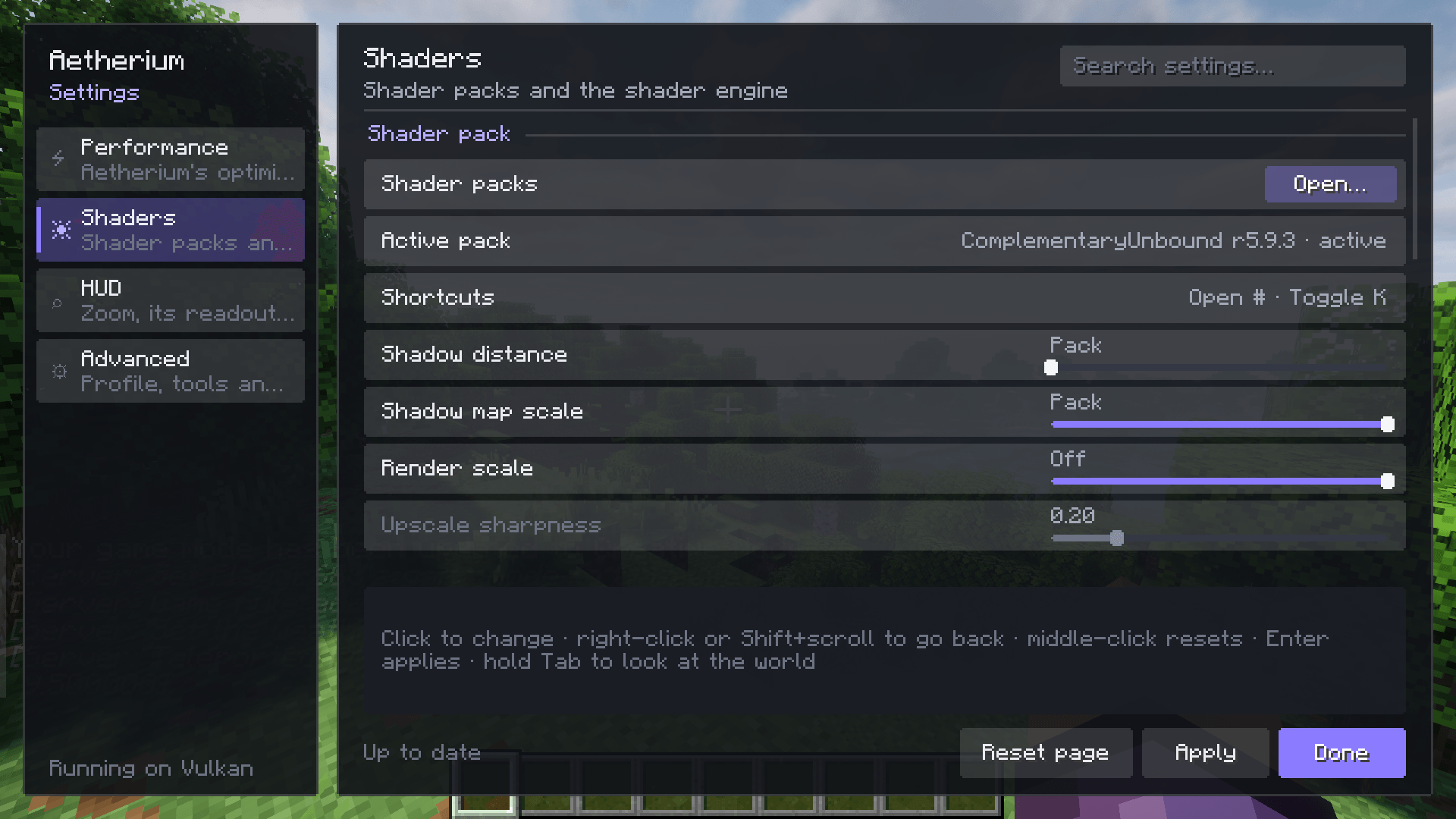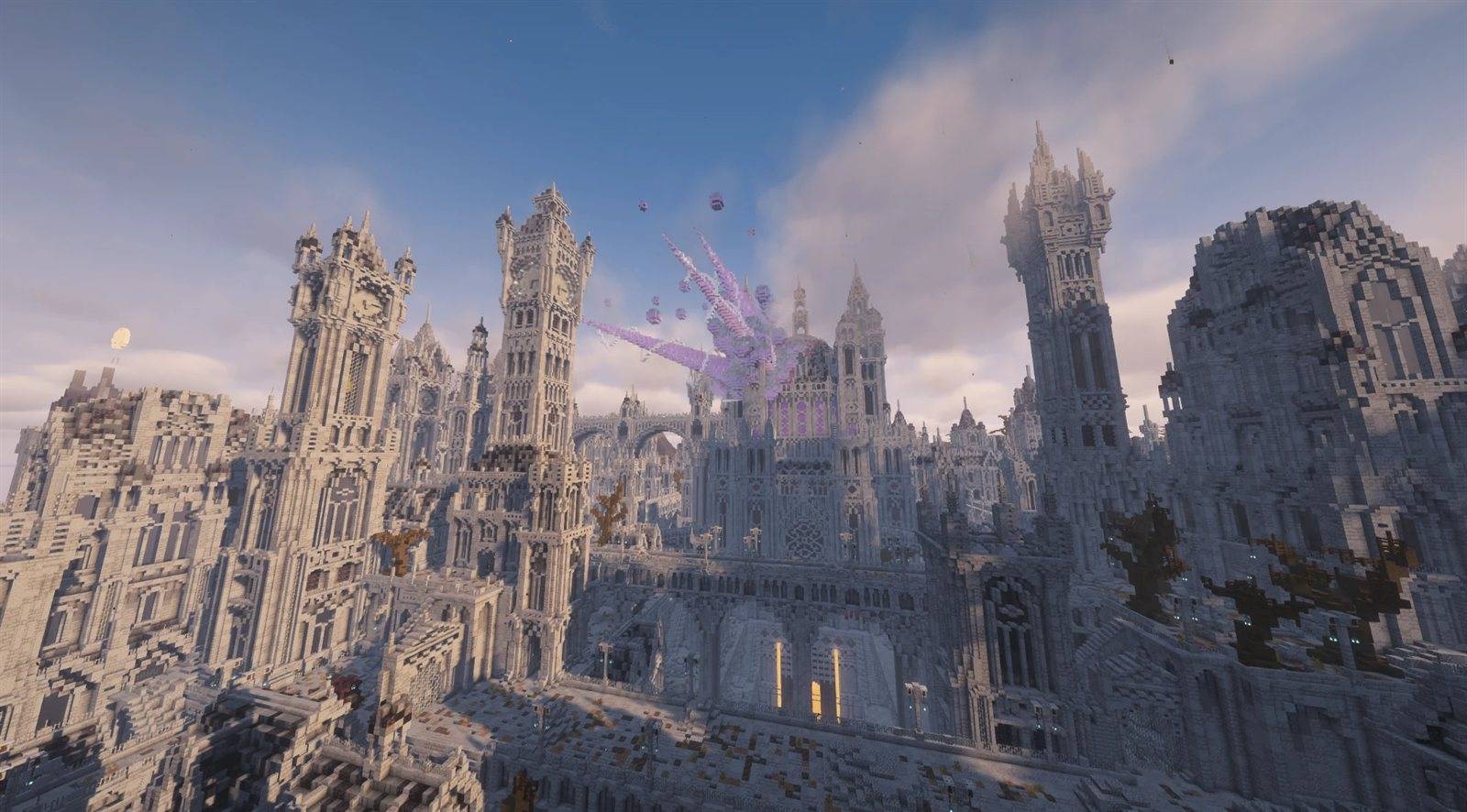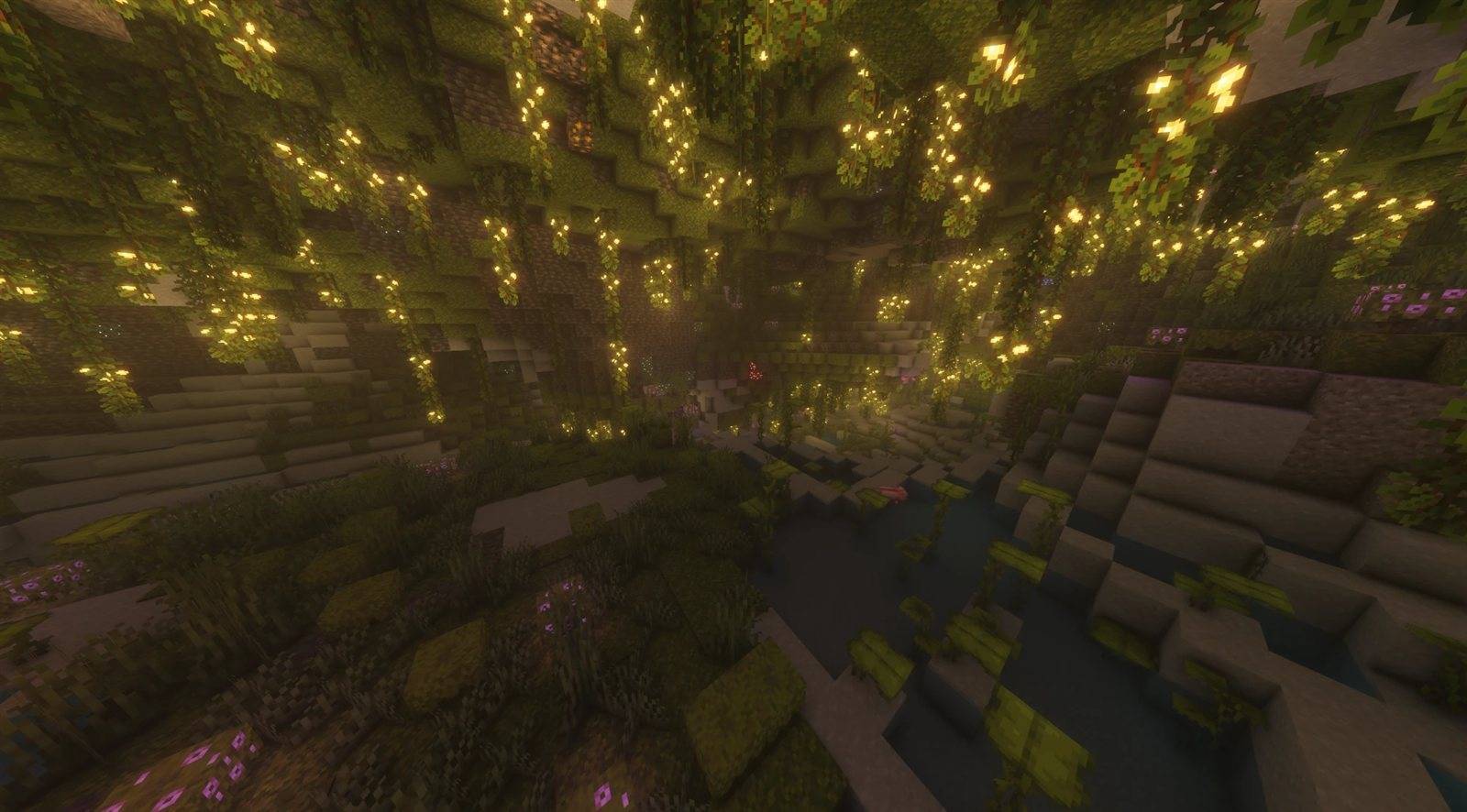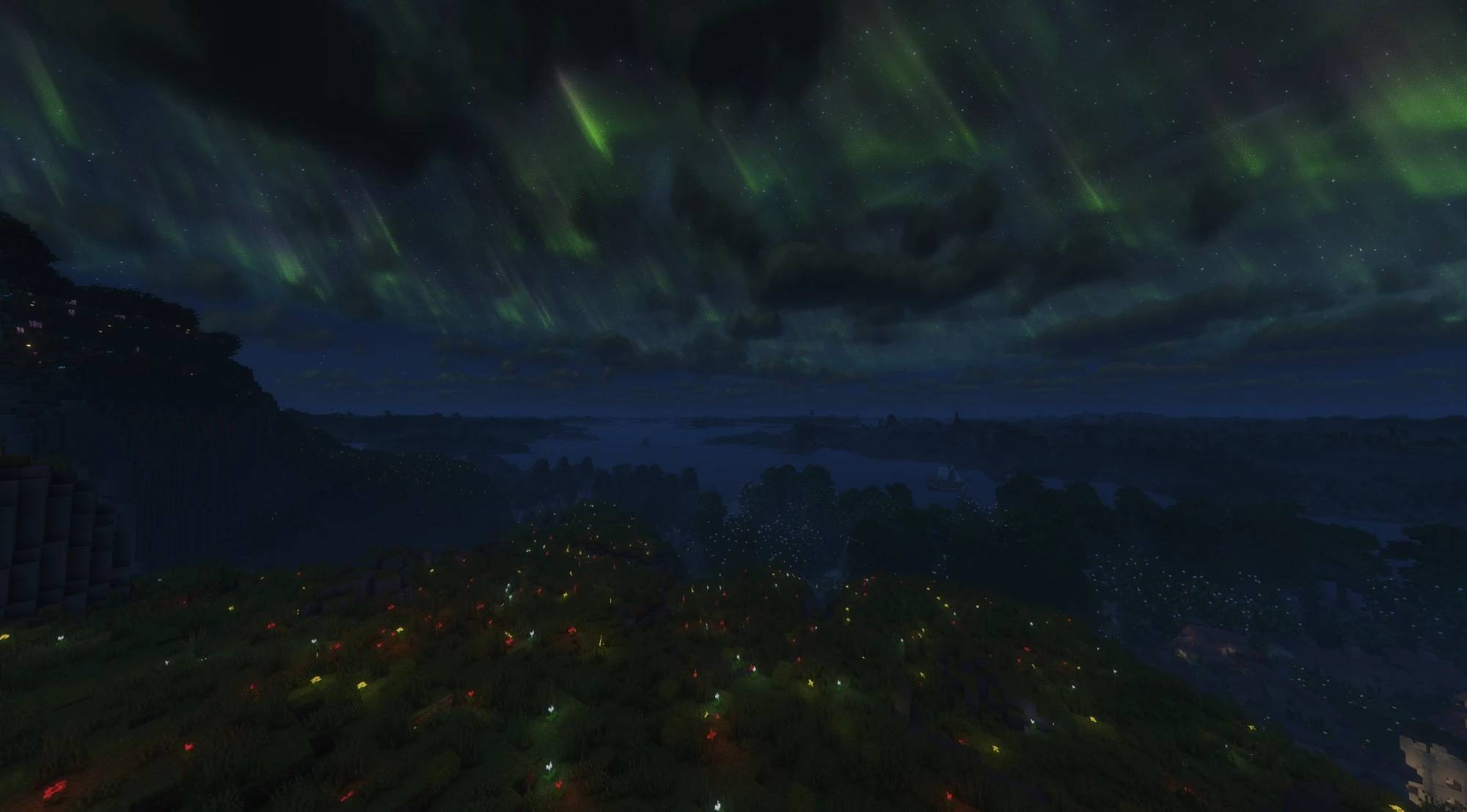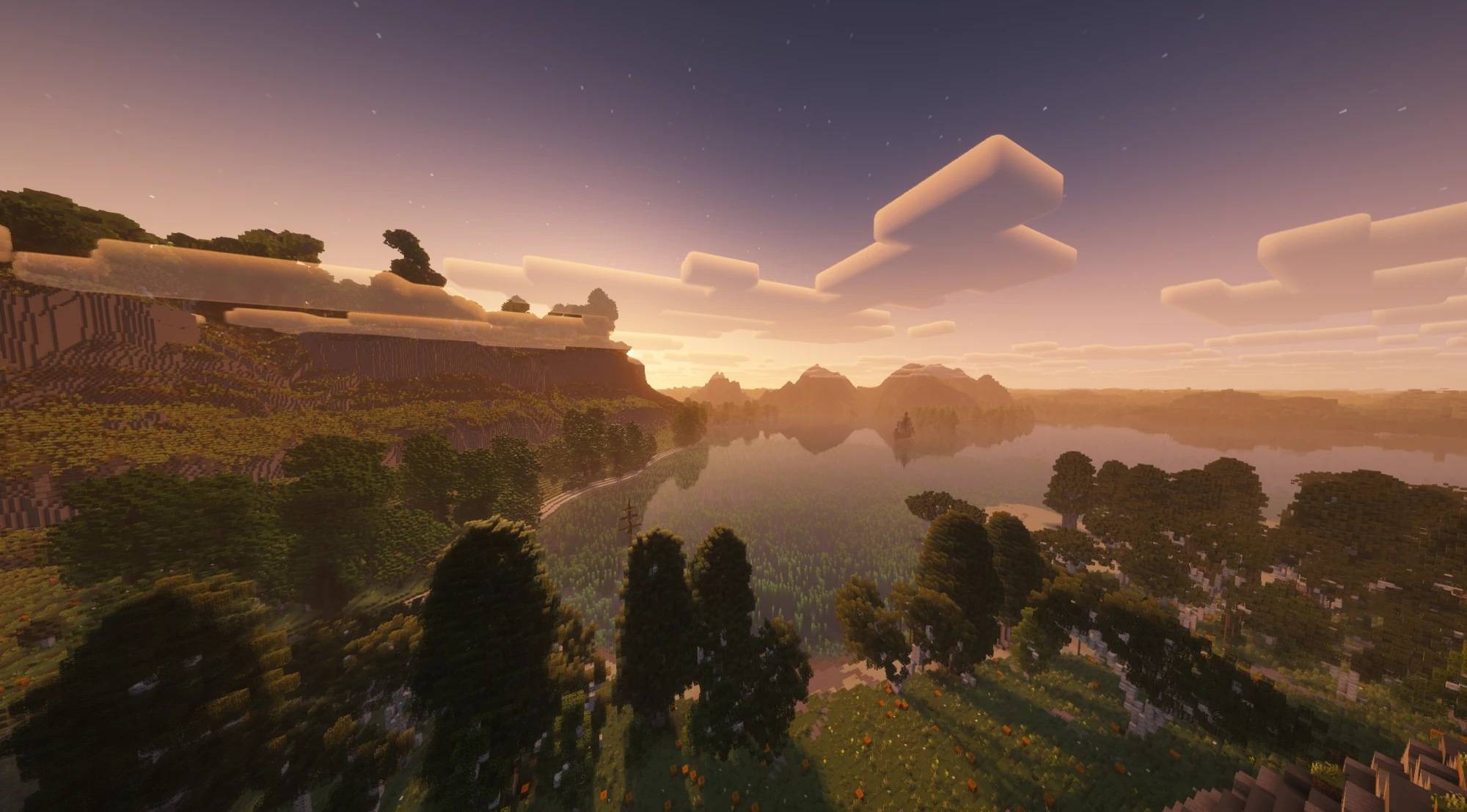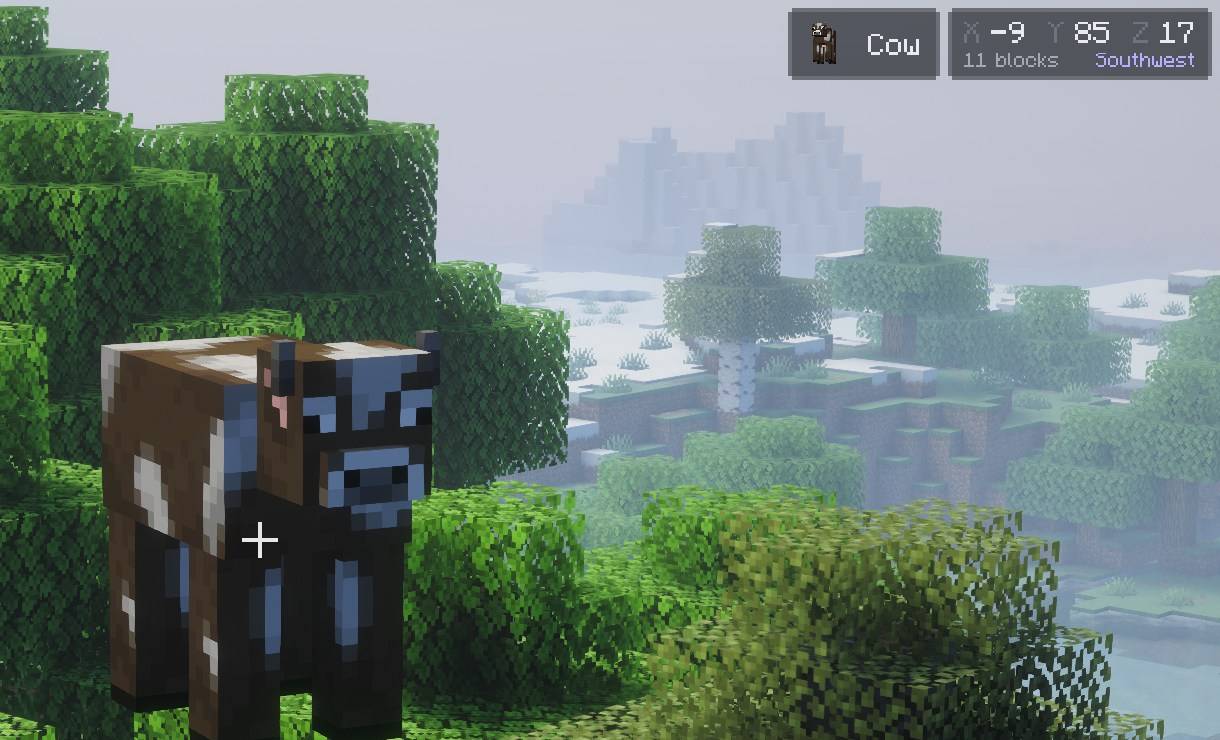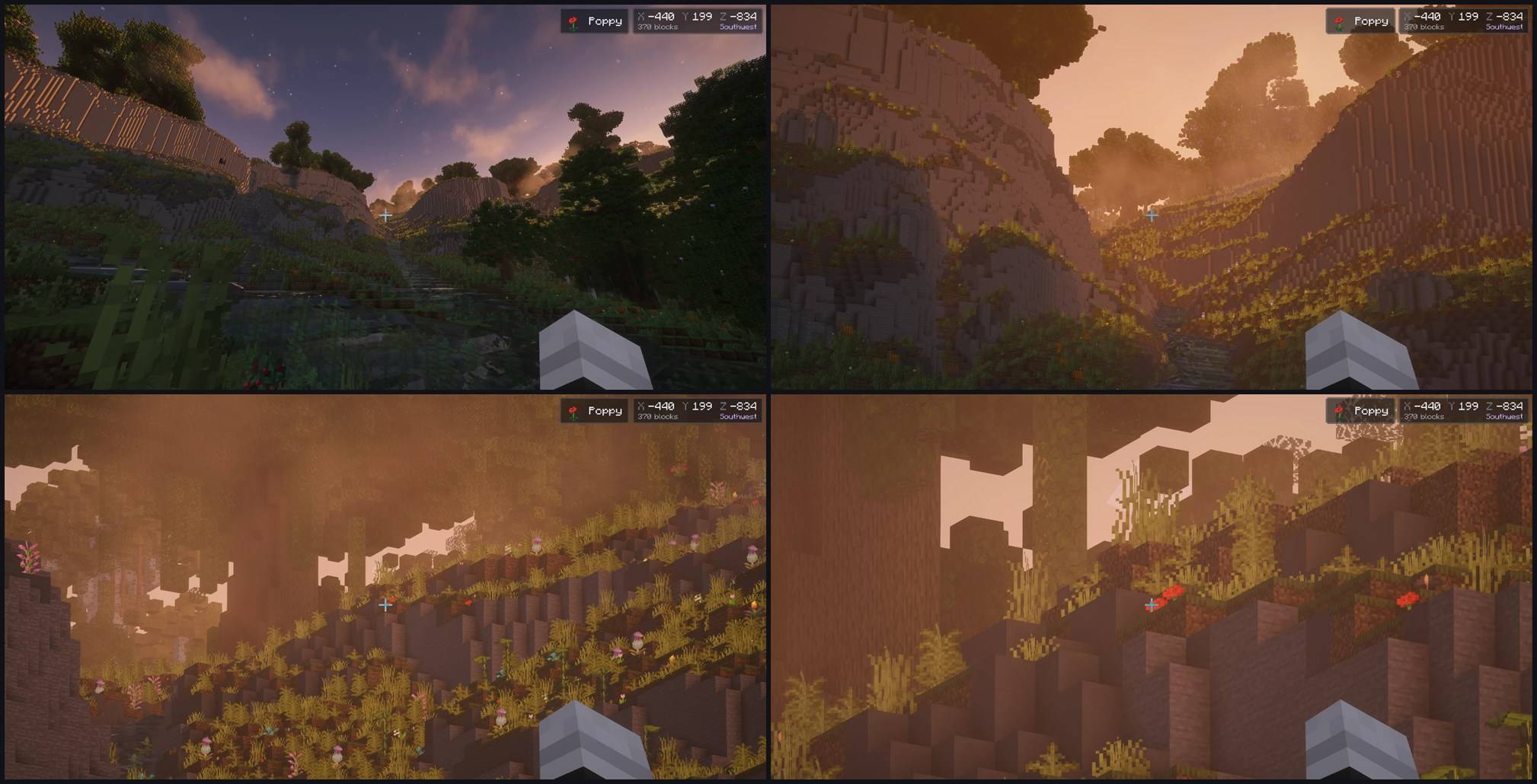


Shader packs on Minecraft's Vulkan renderer. Aetherium runs standard shader packs natively on Vulkan, with its own shader-engine optimisations, a searchable settings screen and a few quality-of-life extras. Available for Fabric and NeoForge.
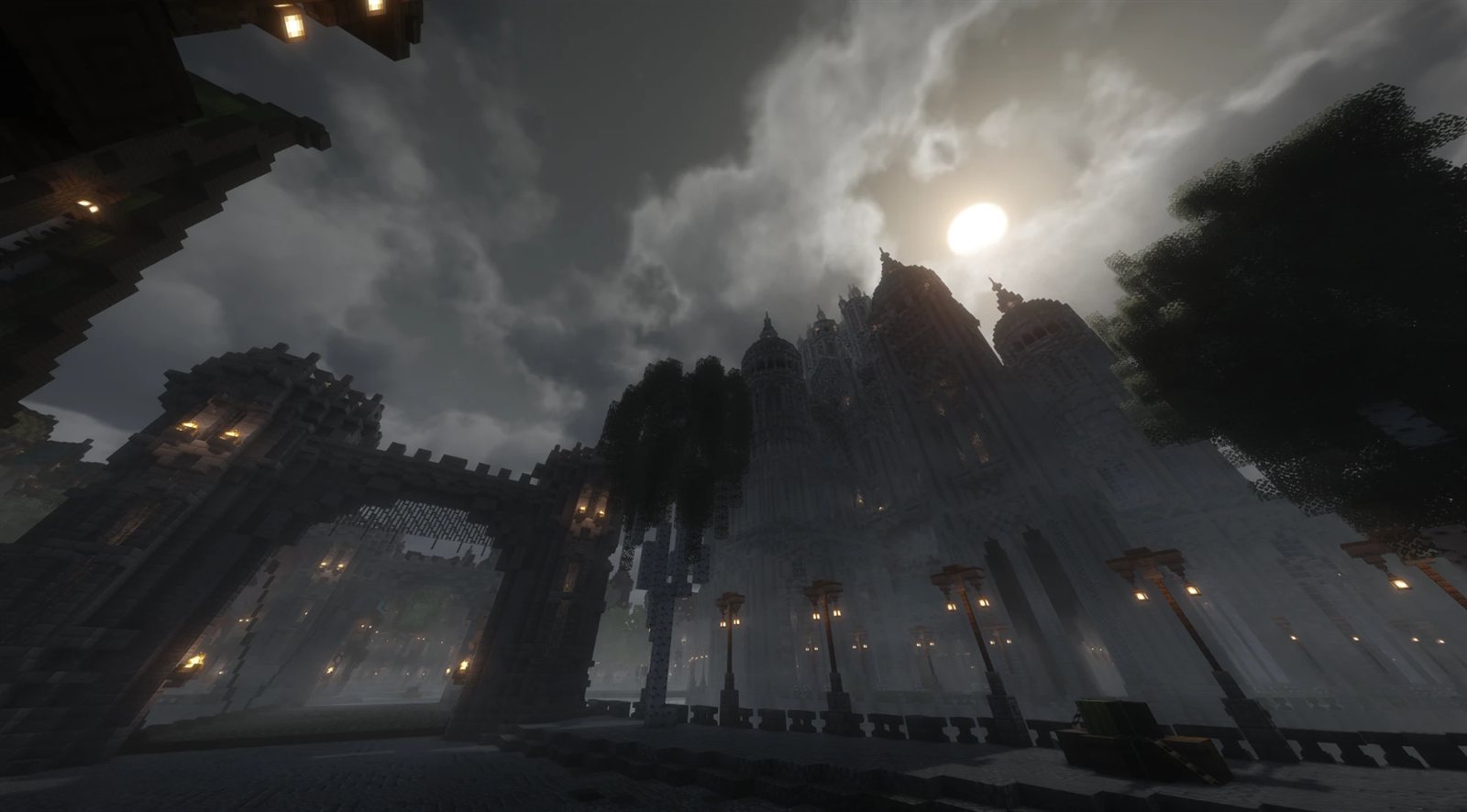
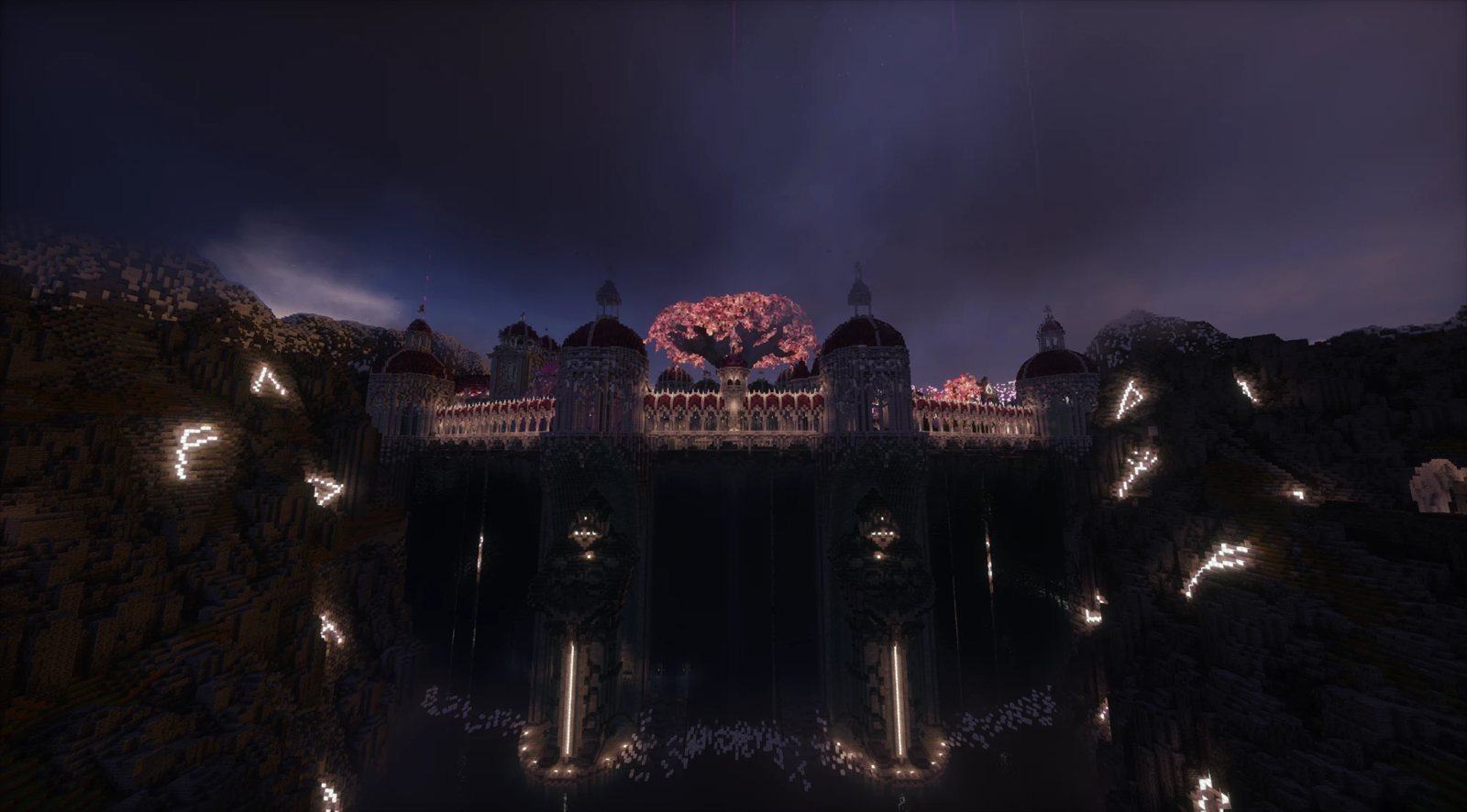
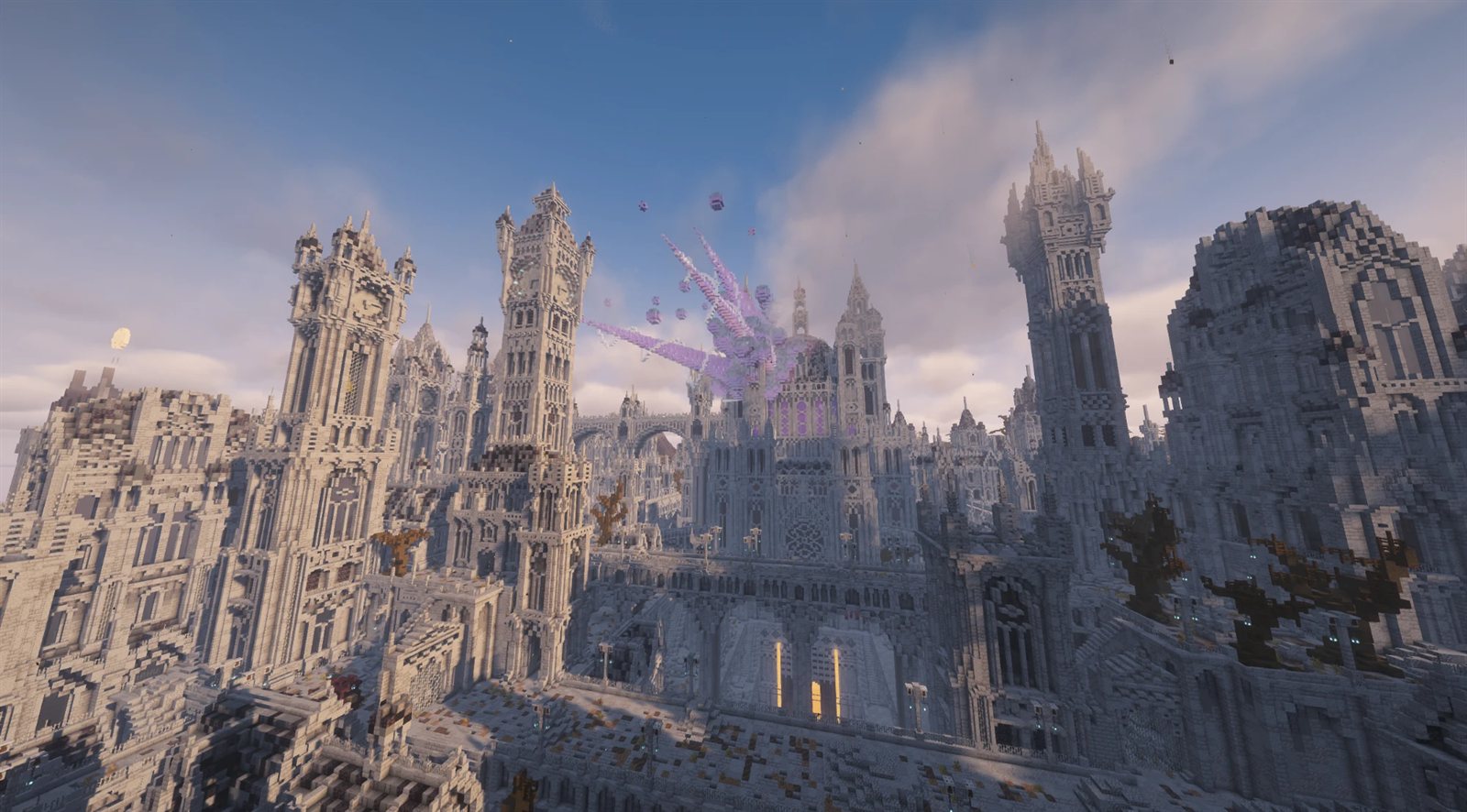
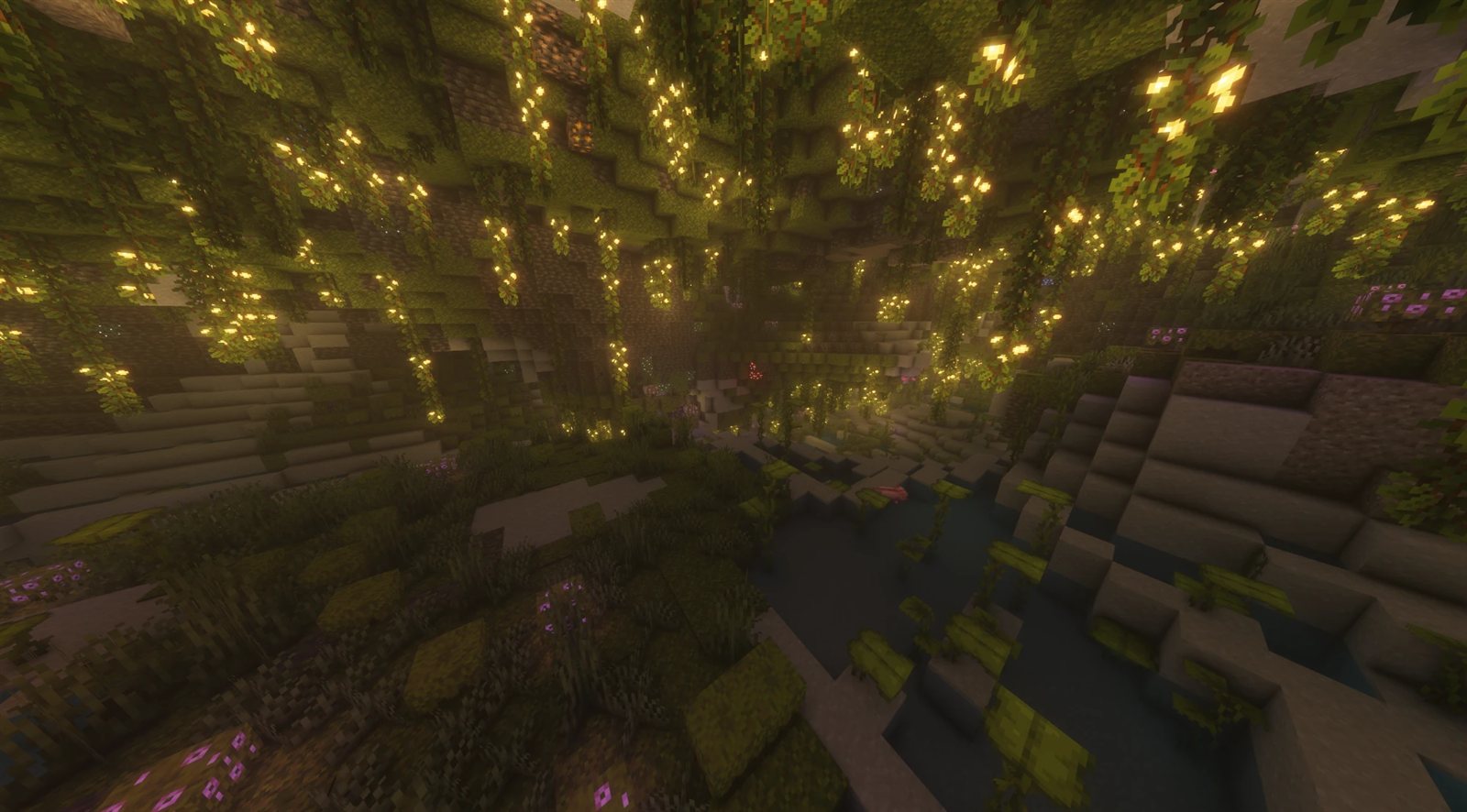
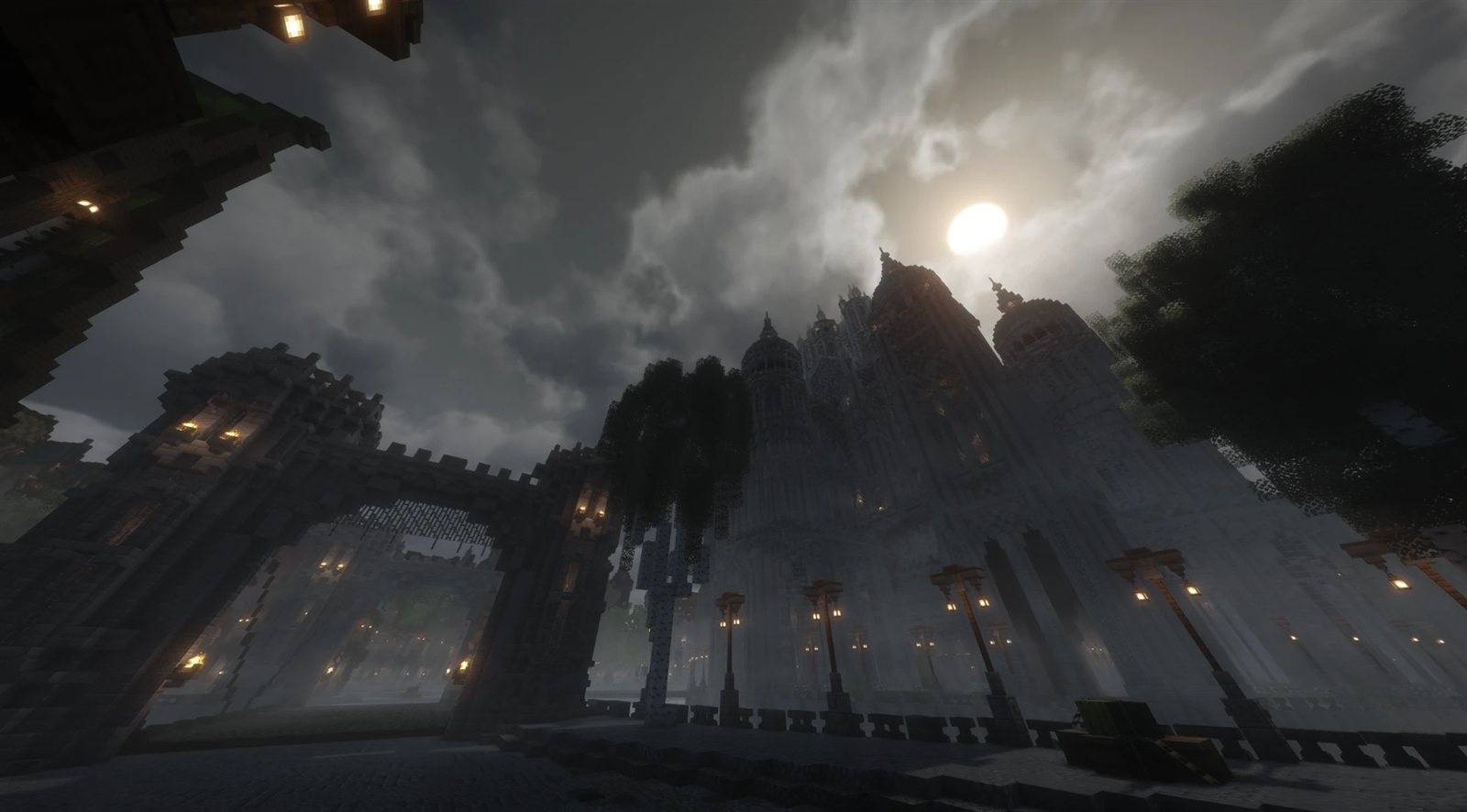
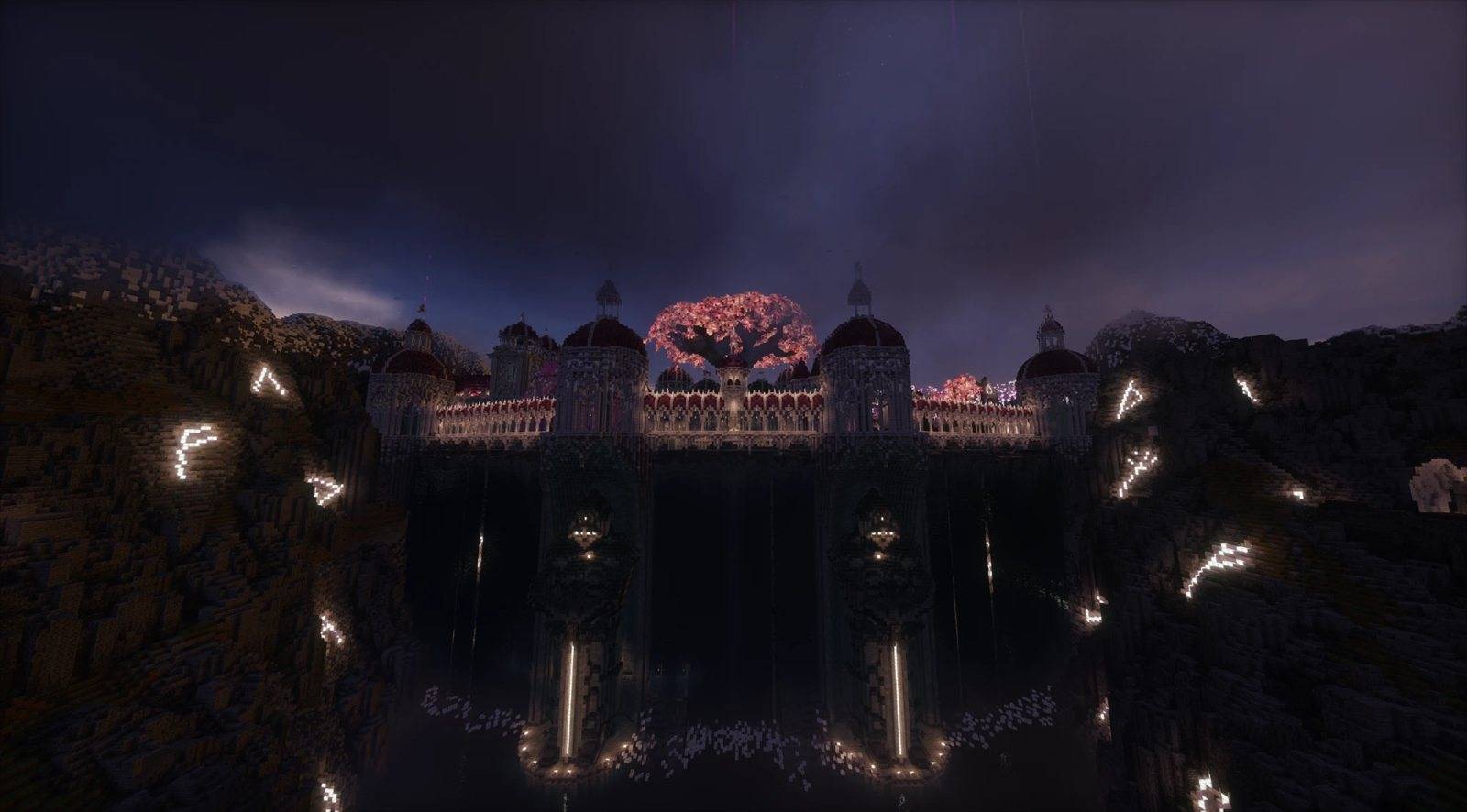
Shot with Complementary Unbound and Spooklementary.
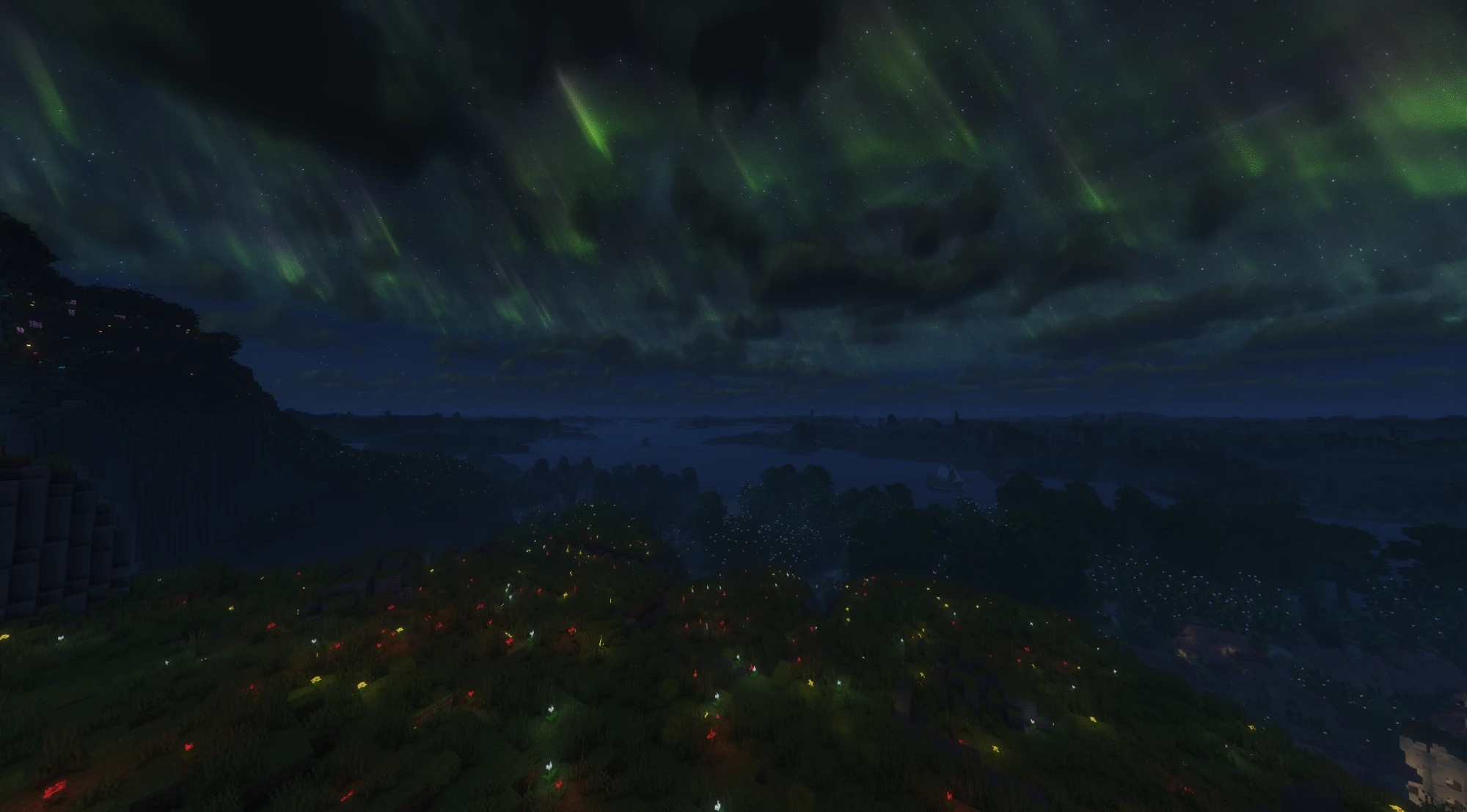
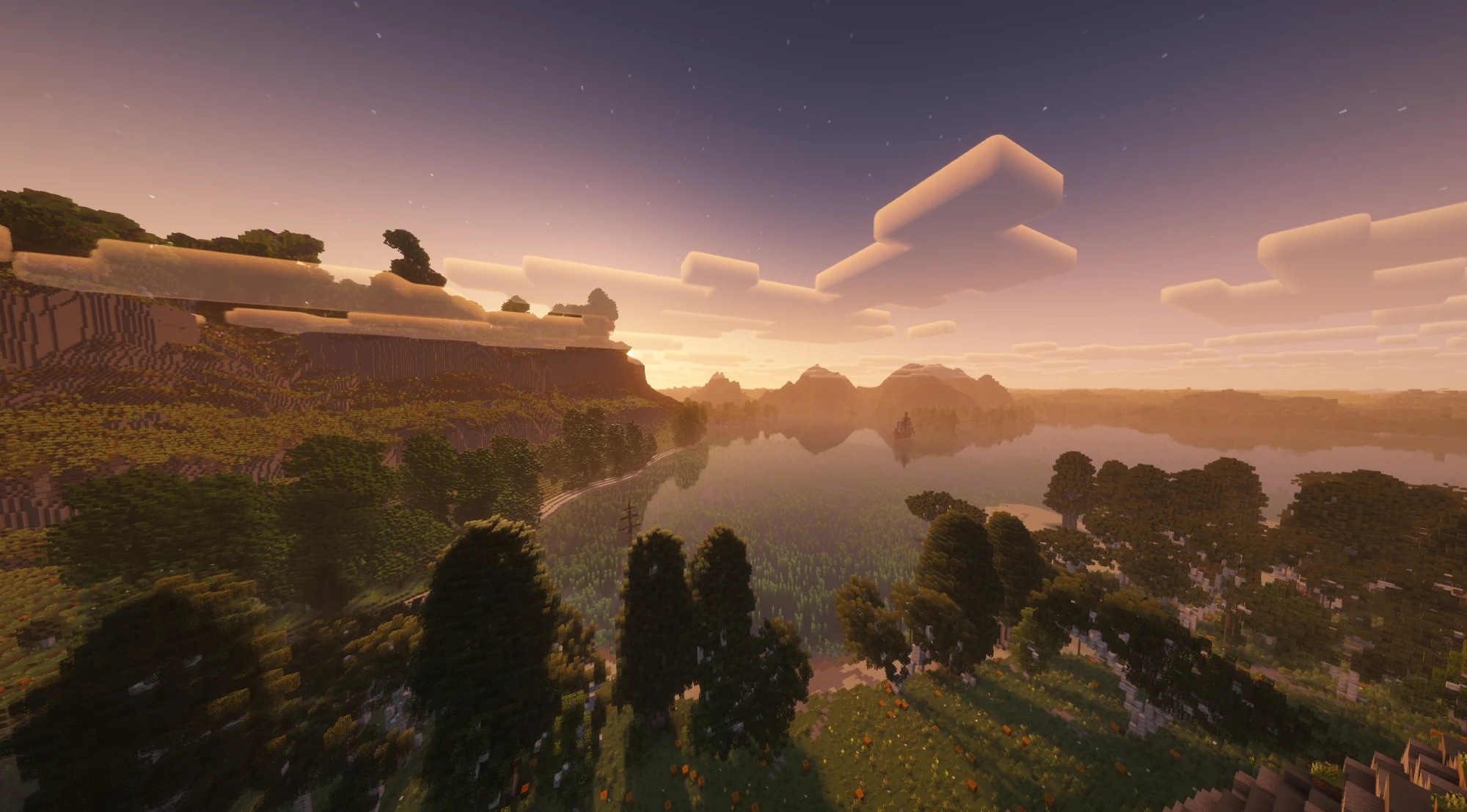
Far terrain from Distant Horizons, shaded by the pack.
Minecraft is moving to Vulkan. The game now ships its own Vulkan renderer alongside OpenGL, and that is where its rendering is heading. Shader packs, though, grew up on OpenGL: OptiFine created the format, and Iris carried it to modern versions, both built around the OpenGL pipeline. Aetherium runs those same packs natively on the Vulkan renderer, so they move forward with the game.
At the same time, the optimisations Sodium pioneered are finding their way into vanilla bit by bit. Aetherium leaves terrain rendering to Sodium and builds on it, and puts its own effort where nothing else does: a fast shader engine on Vulkan, with every optimisation measured before it is turned on.
Aetherium does not work alongside other shader-pack mods.
mods folder and start the game.shaderpacks, or drop them onto the shader pack screen.Aetherium's own settings are under Options › Aetherium..., next to Shader Packs.... Hold Z to zoom.
With thanks to OptiFine, which created the shader pack format; Iris, the inspiration for bringing shader packs to modern Minecraft; FerriteCore, the inspiration for the memory optimisations; and VulkanMod and Beryl, which showed what a Vulkan renderer for Minecraft can do.
Aetherium is free software under the LGPL-3.0.